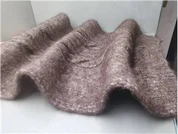
Why Choose Us
Company Philosophy
Innovation, Honesty, Win-win, quality service
Corporate Vision
While satisfying the needs of global market, our management aims to develop both of oversea and domestic market by continuously creating more new products
Team Introduced
Our founder has been leading the team to do R&D and production management since 1993 by overcoming the emerging difficulties and continuously opened branch office of Taiwan, HongKong and Shanghai with the strong belief of team spirit.
Organizational Structure
To adopt the organization of linear function and own the related functional departments with finer division of labour, high efficiency and unified administration.

Cotton silk yarn is a type of yarn that is made from a blend of cotton and silk fibers. The cotton fibers provide strength and durability, while the silk fibers add softness and luster. Cotton silk yarn is often used to make high-quality clothing and accessories, such as sweaters, scarves, and shawls.
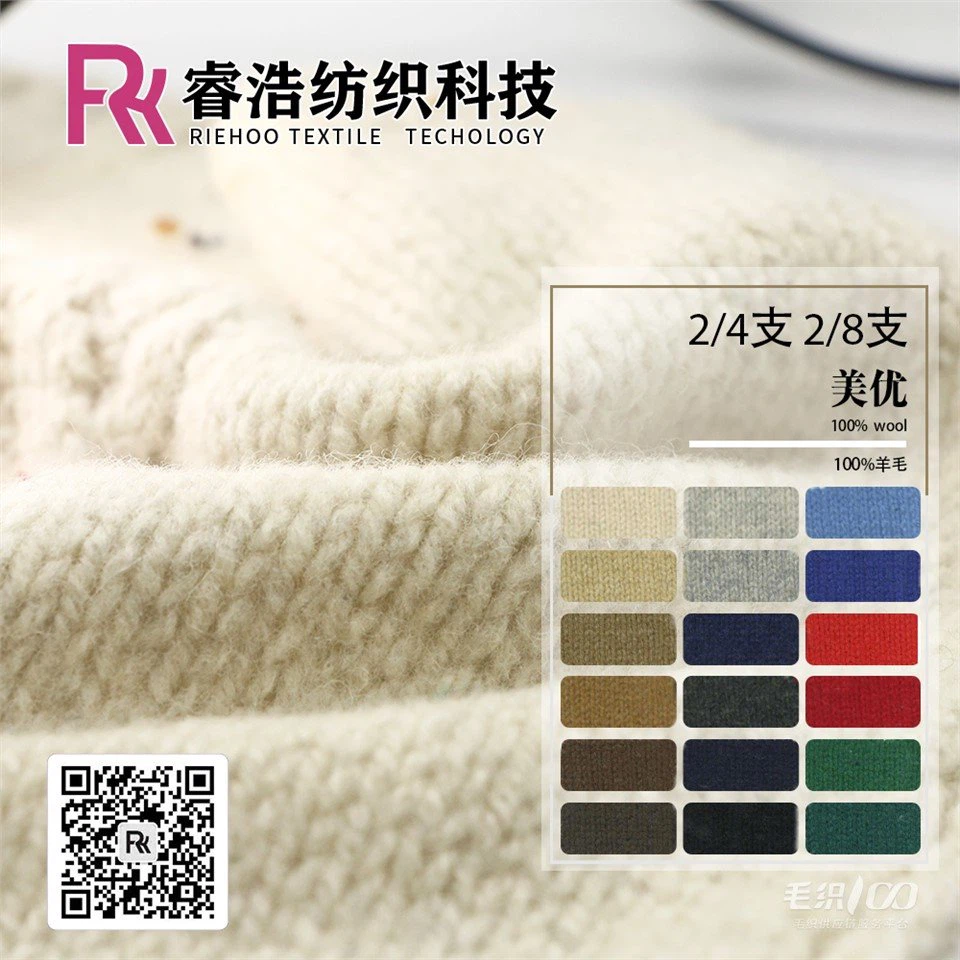
To get rugged outlook and clear texture by choosing Australian Lambswool with good crispation, elasticity fireproofing and static fee at very competitive price to be used for the coat knitting by 3GG or 5GG

To choose Australian Lambswool with good crispation, elasticity fireproofing and static fee that is quite popular in the market.
1) The stock colors are all available with sample yarns, but need to produce in case of bulk order placed.
2) The sample minimum is 10kgs/color with the lead time of 10-15 days and 20%surcharge needed.

To choose 80%Australian Lambswool with good crispation, elasticity fireproofing and static fee that is quite popular in the market.
1) The stock colors are all available with sample yarns, but need to produce in case of bulk order placed.
2) The sample minimum is 10kgs/color with the lead time of 10-15 days and 20%surcharge needed.
3) The bulk order is over 300kgs/color with the lead time of 20-25 days. If the order is less than 300kgs/color, 10-15%surcharge has to be applied to.

Yak wool yarn is a luxurious and unique type of yarn that is known for its softness, warmth, and durability. It is harvested from the downy fiber of Mongolian yaks, which provides a mix of softness and strength . Yaks have different layers in their wool coats, and only the finest and softest down layer, produced by 1-3 year old yaks during bitter winters, is used to make yak wool yarn.

This yarn kind combines Cotton, Yak and Nylon material for Sweater use with the characteristic of comfort, cool and breathability.Moreover, it presents very soft color matching and clear texture and good drapability and very little shrinkage rate.
(1) The stock colors are all available with sample yarns.In case of bulk order placed, we have to produce accordingly.
(2) The sample minimum is 15kgs/color with the lead time of 10-15 days with 20%surcharge needed.
(3) The bulk order is over 300kgs/color with the lead time of 30 days . If it is less than 300kgs/color, 10-15%surcharge has to be applied to.

This one using both man-made Acrylic and Australian Wool is mainly used for sweater, hat and gloves etc.while combining the advantages of colorful and anti-bacteria&moth Acrylic and warm ,elastic Wool.

Select Australian Wool with fiber micro of 17.5-18.5um to produce the yarn so as to achieve smooth hand feeling and good drapability and warmth. Because of Australian Wool with good crimpiness and elasticity, its sweater received very good feedback.

Merino wool yarn is yarn that is made from the wool of Merino sheep. Merino wool is highly regarded for its softness, warmth, and versatility, and these qualities extend to the yarn made from it.
Cashmere wool yarn is a luxurious fiber obtained from the fleece of cashmere goats, known for their fine, soft, and warm hair. These goats are primarily raised in the cashmere region, which includes countries like Mongolia, China, India, Iran, and Nepal, where the climate is cold and dry, perfect for the growth of the ultra-fine downy undercoat that distinguishes cashmere wool.
How is Cashmere Wool Yarn made?
Shearing
First, the goats are allowed to grow full coats of hair. The shearing process can be accomplished in a variety of ways, and it's certainly possible to shear cashmere goats without harming them.
Cleaning
Next, the raw wool is picked through, and any dirt or impurities are removed.
Combing
The individual wool fibers are combed into straight lines, and they are carded into light groups of fibers.
Spinning
The carded fibers are fed into a spinning machine, which twists the wool fibers to form yarn. Depending on the textile products being produced, thinner or thicker yarn may be desired.
Cleaning, dyeing, etc
The yarn is cleaned again, and if dye is desired, it may be applied at this point. In some cases, manufacturers prefer to garment-dye their cashmere items.
Weaving
The finished cashmere yarn is woven into a textile product. Examples of popular cashmere products include scarves, vests, and sweaters.
Final treatments
Before the garments leave the facility, they may be treated with flame-retardants or other final treatments. Keep in mind that wool is naturally flame-resistant.
Packaging and fulfillment
The final products are packaged, branded, and made ready for sale.
How is Cashmere Wool Yarn used?
Cashmere Wool Yarn is used in a variety of different product applications. For years, cashmere was coveted as one of the best fabrics for intricate dresses and other formal wear adorned by European nobility, and this association with high culture still defines cashmere to this day. While cashmere wool is significantly more expensive than other types of wool, it is much softer and finer, which makes the wearer feel an immediate sense of comfort and luxury.
Since cashmere is lightweight and relatively delicate, it isn't commonly used for outdoor wear or heavy garments. While light cashmere sweaters are common, this material isn't commonly used for trenchcoats, pea coats, or other types of outerwear garments that are ordinarily made with other types of wool.
Cashmere Wool Yarn sweaters are often worn for special occasions, and it's even possible to find certain types of cashmere underwear. Generally, cashmere is easy to work with, which lends this fabric to use in intricate, expensive, and beautiful garments that are designed to impress and dazzle.
Wool from Cashmere Wool Yarn goats is not used in any industrial applications, which means that the entire global cashmere economy is dependent on the production of cashmere garments. By choosing to work with an ethical, natural cashmere producer, you can help encourage the growth of remote economies and the progression of a new fair-trade fabric paradigm.
Advantages of Cashmere Wool Yarn
Warmth – Its insulation capacity is three times higher than wool (up to eight times for the very best cashmere), making it perfect for maintaining your body temperature. The result is a yarn that keeps you warm but not hot.
Softness – The diameter of cashmere fibres is very small, creating a very fine texture, the softest of all yarns.
No itchiness – For the same reason, the density of fibres are much higher than wool, and therefore the texture is not scratchy. This gives a great feeling when wearing cashmere directly on the skin or when touching a jumper.
Lightness – Given its insulating qualities, cashmere jumpers can be lighter than those made of wool and still keep perfect body temperature.
Shape resilience - Quality cashmere does not shrink when washed correctly, and will retain shape better than wool over the years.
Durability – The best cashmere jumpers can last 10 years when the right care is given to the garment. It is not uncommon to hear of people wearing cashmere jumpers from their grandparents.
Pilling – This happens when short fibres twist around themselves in areas of the jumper where there is more friction, creating small bobbles. This phenomenon is inevitable due to the presence of shorter fibres and it afflicts expensive cashmere as well.
Care – Cashmere fibres are shorter and thinner than most other yarns, therefore you will need to follow the washing instruction to avoid damaging the garment.
Tips To Make Your Cashmere Wool Yarn Last A Lifetime
Shave regularly. Knits made from natural fibers can pill–a.k.a., form fuzz balls–in areas where friction occurs, such as under the arms, along the inside of the thighs, or where you carry your handbag. Pilling occurs most frequently when cashmere is brand new; use a razor blade, lint tape or special device like the Gleener to keep yours fuzz-free.
Don't wear and wash. Assuming your day was free of stains, spills and sweating, you can wear your cashmere more than once before it requires cleaning. Laundering is recommended after about three wears, but you can up that number if you're wearing yours over a base layer, or if you air it out after each use.
Ignore what the label says. Because it's a delicate yarn, many cashmere items are labeled "Dry Clean Only." But cashmere comes from goats, and goats' fur–like human hair–gets fluffier and more lustrous after it's washed. By contrast, dry cleaning* will damage and break down the fibers over time.
Wash your cashmere in cold water and use a mild detergent. Hand washing your cashmere items is always your best bet. Some cashmere buffs advise soaks of up to two or three hours to achieve that aforementioned fluffiness, but anywhere in the vicinity of 20 minutes will do the trick. And while purists staunchly oppose the idea of ever popping precious cashmere into a machine, some of the more laidback experts agree that turning a cashmere garment inside out and putting it in the washer for a brief, gentle-cycle spin on occasion is ok.
Time is the best fabric softener. Can cashmere even get any softer? Incredibly, the answer is yes–but it's best to let that happen naturally over time. Adding fabric softener will likely have the opposite effect. If you're absolutely compelled to soften, try an all-natural, DIY version made from white vinegar or baking soda.
how to care for cashmere
Lay flat. Be patient. Cashmere is at its most delicate when the fibers are wet, so this is the stage that requires the most care. Unfortunately, wet cashmere can take days to dry, so this is also the stage that requires the most patience. The cardinal rule here is no wringing; to gently press excess water out of your garment, place it on a dry towel and carefully roll it up. Once the towel has absorbed as much of the moisture as possible, shape the garment and lay it flat in a shady spot to dry.
Our Factory
In order to serve the customer better and ensure the quality and lead time, we imported Woolen spining enquipments from Japan in 2015. Through our joint efforts, we decided to expand our production in 2018. With a view to devloping ourselves in more global market, our company names was changed to Zhongshan Riehoo Textile Technology Co., Ltd.
FAQ
Q: What is special about cashmere wool?
Q: What is the difference between cashmere and cashmere wool?
Q: Why is cashmere wool so expensive?
Q: Is cashmere yarn worth it?
Q: Can you wash cashmere yarn?
Q: Does cashmere yarn pill?
Q: How can you tell if yarn is cashmere?
Pure cashmere burns relatively slowly and creates a distinct sharp smell of burnt hair.
Cashmere strands also shrink while burning.
Burning real cashmere leaves behind easy-to-wipe ash.
Q: How do you wash cashmere yarn?
Q: Does cashmere yarn break easily?
Q: Does cashmere yarn have memory?
Q: Can you crochet with cashmere yarn?
Q: Is cashmere yarn machine washable?
Q: How do you store cashmere yarn?
Additionally, be sure that the cashmere is kept in a cool and dry environment-one with low humidity if possible. High temperatures and high humidity are both detrimental to the longevity of any fabric; so keep your wardrobe where it's safe from these elements.
Q: Does cashmere yarn pill?
Q: How can you tell if yarn is cashmere?
Pure cashmere burns relatively slowly and creates a distinct sharp smell of burnt hair.
Cashmere strands also shrink while burning.
Burning real cashmere leaves behind easy-to-wipe ash.
Q: How do you care for cashmere yarn?
Use cold water to avoid expanding the fibres, as they may then shrink as they cool down. Use a light spritz of cold water to dampen the marked area and if the stain is oily, dab gently with Cashmere shampoo.
Q: How do you keep cashmere from pilling?
Q: How do you keep wool cashmere from shedding?
Q: How do you wash cashmere without pilling?
to protect them from agitation and friction that can cause pilling. Select Your Cycle: Select the woolens or delicate cycle on your washing machine and make sure the water temperature is cold and the spin is on low. Add Wool & Cashmere Shampoo according to the machine type and load size.
Q: How do you store cashmere yarn?
Additionally, be sure that the cashmere is kept in a cool and dry environment-one with low humidity if possible. High temperatures and high humidity are both detrimental to the longevity of any fabric; so keep your wardrobe where it's safe from these elements.
Hot Tags: cashmere wool yarn, China, suppliers, manufacturers, factory, customized, wholesale, buy, made in China, Cotton Space Dye Yarn, brand yarn comfy cotton blend, Rugged yarn, merino nylon blend, SHE Tland yarn, Real yarn